 GHANA VISITOR SAFETY& TRAVEL COMPANION
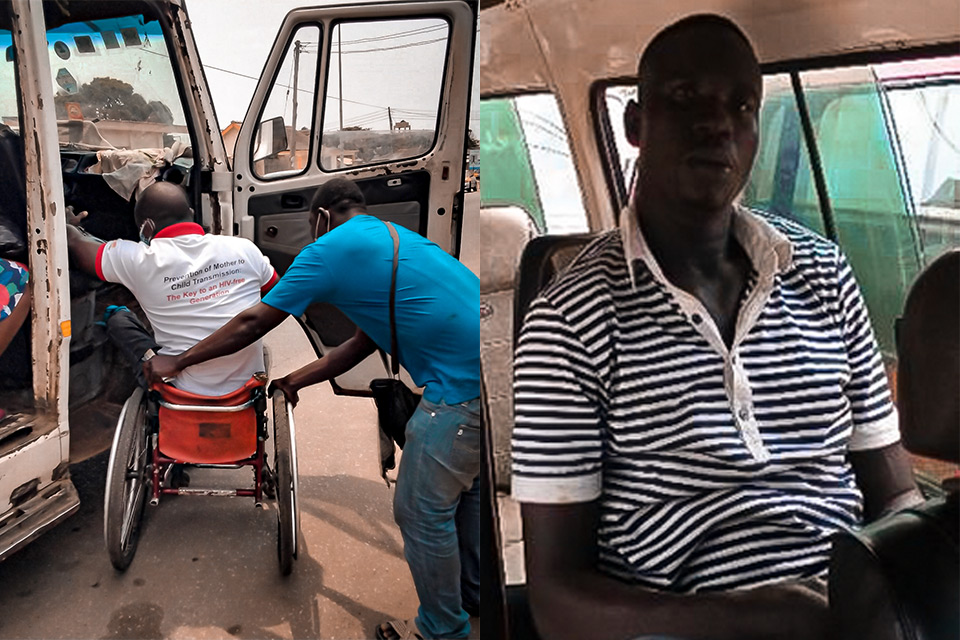
This Ghana guide is about travelling with a disability or disabled child
Confirm access, assistance, transport and emergency arrangements in advance.
What to do before you go
- Ghana has the Persons with Disability Act, 2006 (Act 715), but step-free access, pavements, dropped kerbs, ramps, lifts, accessible toilets, signs and public transport are not consistently available or maintained to the standard you may expect at home. Plan on the basis of confirmed access, not the word “accessible” alone.
- Ask the airline and airports for assistance within their required notice period. Confirm transfers, aisle-chair needs, seating, mobility-aid handling, battery rules and where assistance begins and ends at each airport.
- Ask Ghana accommodation and attractions for current photographs, doorway and lift measurements, bathroom layout, steps from the vehicle, backup power for lifts or medical equipment and a named person who has checked the route.
- Arrange a verified private vehicle that fits the traveller, companion, mobility aid and child restraint. Most trotros, shared taxis and ordinary roadside boarding points are not reliably wheelchair accessible.
- Carry essential medicines, prescriptions, a short medical and communication plan, spare supplies, chargers, repair tools and mobility-aid details in hand luggage. Ensure insurance covers declared conditions, equipment, a companion and medical evacuation.
While you are there
- Kotoka International Airport has passenger-assistance services, but access can change once you leave the terminal. Uneven pavements, open drains, broken surfaces, high kerbs and entrances with steps may affect routes in Accra and other towns.
- Keep a trusted driver or support contact available and plan each transfer before leaving a staffed place. Do not accept lifting or transfers that feel unsafe; explain the method that works for the traveller.
- For a disabled child, carry familiar communication or sensory items, identification and emergency contacts. Build quiet breaks into busy markets, festivals, long road journeys and family visits.
- Confirm access separately for every hotel, restaurant, beach, castle, park and event. A building may have a ramp at the entrance but no accessible toilet, lift, evacuation route or suitable route beyond it.
- Protect mobility aids and communication devices from rain, dust, heat and loss. Keep medicines and essential equipment with the traveller rather than in a separate vehicle.
If something goes wrong
- Call 112 or 193 for an emergency and explain the person’s disability, communication method, transfer needs, medical condition, exact location, landmark and callback number.
- Keep a backup transport plan because an ambulance or suitable accessible vehicle may not arrive as quickly as expected. Contact the insurer early if specialist treatment or transfer is needed.
- If a lift, ramp, vehicle or venue is unsafe, return to a staffed safe area and change the plan. Missing access information is a reason to pause, not to force the journey.
- If essential equipment is damaged or lost, contact the airline or operator immediately, record the damage and ask the insurer, accommodation or medical provider about a safe temporary replacement.
Conditions change. Check weather, road access, opening times, entry rules and event arrangements again close to travel. This page gives practical preparation, not a live guarantee of conditions.