 GHANA VISITOR SAFETY& TRAVEL COMPANION
Ghana’s Ministry of Health previously reported 450 suspected cases across all 16 regions; suspected reports must not be treated as confirmed infections. Three cases had been laboratory-confirmed in Upper West. A Ghana Health Service update published 24 October describes continued community outreach in the Upper West response. GHS reports approximately 92% vaccination coverage in Wa West at the time of the visit, 225,446 people vaccinated, and one mild adverse reaction that was promptly managed. Although the original campaign was scheduled for 14–18 October, this later update uses ongoing-campaign language and does not publish a revised end date. Confirm current local arrangements with GHS. This response does not replace a visitor’s pre-travel vaccination or yellow-fever certificate preparation. Review your status with a travel-health clinician, prevent daytime mosquito bites and seek prompt care for fever, yellowing of the eyes or skin, abdominal pain or unusual bleeding.
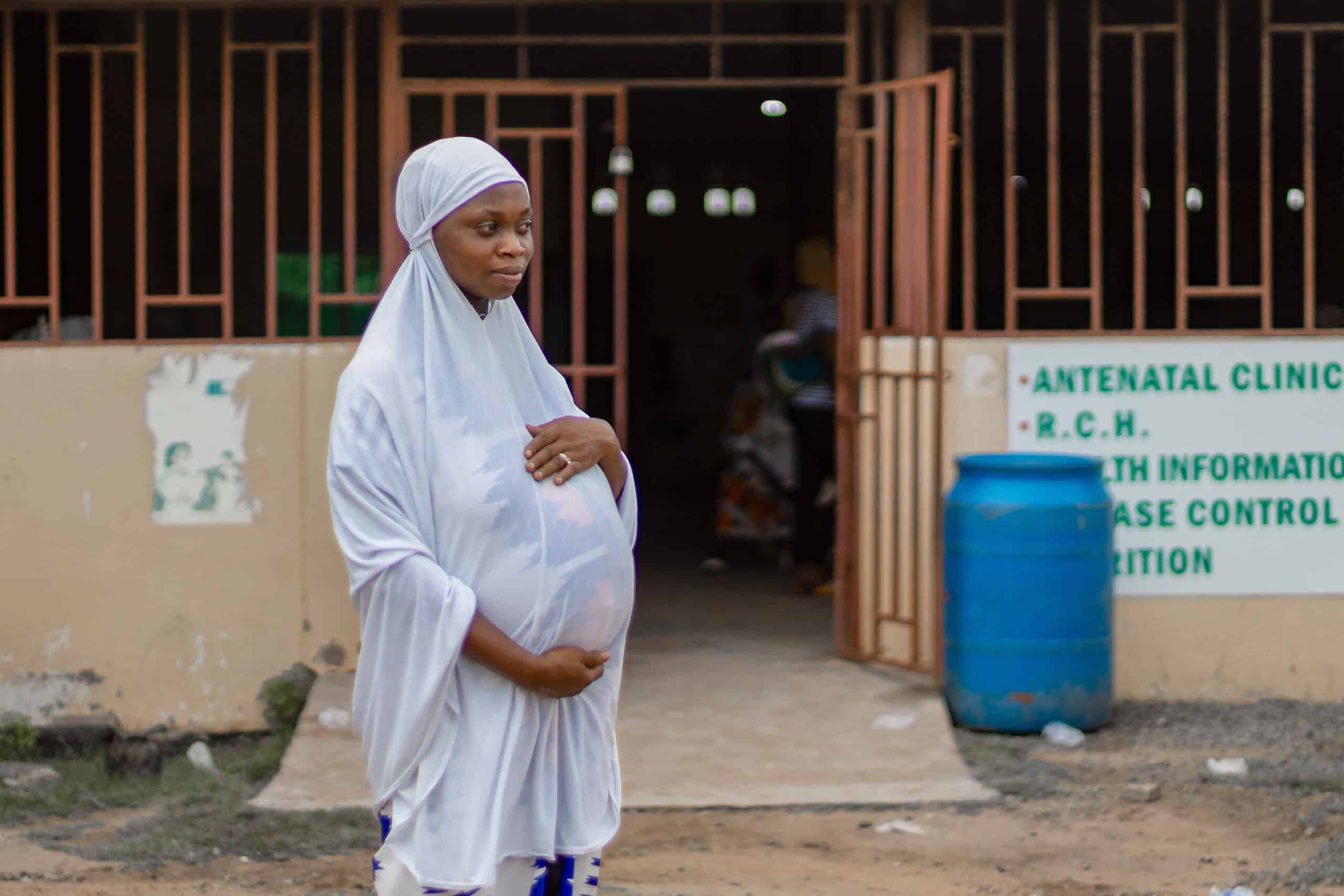
Read the latest Ghana Health Service update · Read the Ministry briefingThis Ghana guide is about travelling to ghana while pregnant
Prepare with your clinical team, airline and insurer before travelling.
What to do before you go
- Speak with your GP, midwife or obstetric team and a travel-health clinician before booking. Review the stage and course of the pregnancy, Ghana itinerary, yellow-fever requirement, malaria risk, vaccines and medicines. Do not start, stop or change prescribed medicine without clinical advice.
- Check the airline’s pregnancy cut-off and documentation rules for both outward and return flights. After around 28 weeks many airlines may request a letter confirming the due date and that the pregnancy is uncomplicated; rules vary by airline and multiple pregnancy.
- Buy insurance that specifically covers pregnancy complications, premature birth, newborn care, hospital deposits, changed flights and medical evacuation or repatriation from Ghana.
- Carry antenatal notes or a concise medical summary, blood group, due date, complications, allergies, prescriptions and clinician contacts. Pack enough medicine in original labelled packaging, plus extra for delays, in hand luggage.
- Choose accommodation within a realistic journey of an obstetric-capable hospital. Save Ghana’s emergency numbers, your insurer’s assistance line and the current official list of medical facilities before departure.
While you are there
- During a flight longer than four hours, follow your clinician’s advice on blood-clot prevention. Drink water, move regularly, flex the ankles and use properly fitted compression stockings only where advised. Keep the seat belt low across the pelvis, below the bump.
- In Ghana, take prescribed malaria prevention exactly as directed and use repellent, covered clothing and screened accommodation. Pregnancy can make malaria more serious, so fever needs urgent medical advice.
- Protect yourself from heat and dehydration, choose sealed water, eat freshly cooked food and allow more rest than you might at home. Keep essential medicine with you during road journeys.
- Ghana road journeys can be longer and rougher than expected. Use a vehicle with a working seat belt, take regular comfort breaks, avoid rushed night travel and do not ride where a safe seated position is unavailable.
- For any medicine bought or treatment offered in Ghana, tell the clinician or pharmacist that you are pregnant and show your current medicine list.
If something goes wrong
- Call 112 or 193 and seek urgent maternity care for heavy bleeding, severe abdominal pain, collapse, breathing difficulty, chest pain, seizures, severe headache with vision changes, suspected labour or a concerning reduction in the baby’s normal movements.
- Give the exact town or Accra neighbourhood, nearest landmark, map pin, pregnancy stage and callback number. Take antenatal records, passport, insurance details and medicines to the facility.
- Contact the insurer as soon as practical. Medical facilities are more limited outside major towns, and a serious complication may require transfer within Ghana or medical evacuation. Do not delay urgent care while waiting for insurer approval.
- If symptoms are not immediately life-threatening, contact the pre-identified maternity facility or your home clinical team for advice rather than relying on unverified social-media or informal medication advice.